
It comes after Chancellor Rachel Reeves recently described the student loans system as fair despite widespread outcry over graduates' rising debts
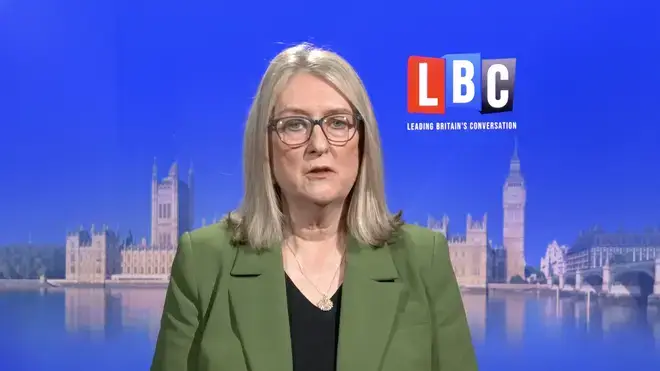
Skills Minister Baroness Jacqui Smith defended Labour's stance on student loans – which is seeing some graduates seeing the amount they owe on their loans growing despite payments being made monthly from their salary.
The Government announced in the Autumn Budget that the income threshold at which graduates with Plan 2 student loans start repaying their loans would be frozen between 2027 and 2030.
The threshold will rise to £29,385 in 2026/27 and will remain at that level until 2030, essentially meaning more graduates will start making repayments earlier than they would have if the threshold rose every year in line with inflation.
Speaking to LBC's Nick Ferrari at Breakfast, Baroness Smith said: "I get that people are worried about the cost of living pressures that they're facing, including for those people who are earning above the threshold, how much they're repaying in terms of their student debt.
"There are a whole range of ways that we can tackle that by making sure the student loan system is fair for those on lower incomes and in fact, those who haven't been to university at all.
"But also by tackling things like childcare costs, the cost of housing, how much it costs to send your children to school. All of those things are action this government is taking.
"But if you benefit from a university degree, and people do in terms of higher pay throughout their lives, it's right that you should. Should help to repay that with a considerable investment from government as well in your ability."
Interest is charged on Plan 2 loans at the rate of Retail Prices Index (RPI) inflation and up to three per cent on top, depending on how much a graduate earns.
Baroness Smith said: "We're not making money from the university system, we're investing in people's ability to go to university.
"But the point I'm making is that this isn't like a mortgage where, when interest is higher, you pay more.
"The student loan system is [where] your repayments are solely dependent on how much you earn, not on what the interest rate is."
Nick was also joined on the show by Executive Editor of the New Statesman, Oli Dugmore, who called on the Government to change its repayment system from RPI to CPI.
CPI (Consumer Price Index) is a a key economic measure of inflation used by governments to set targets and adjust benefits to reflect the overall cost of living.
Mr Dugmore, who started studying in 2012, said he was charged £32,000 in interest on top of his £37,000 university costs, made up of tuition fees and loans.
He told Nick: "You spoke to Jackie Smith then about RPI versus CPI. It's all very well and good for the Government to prefer to use CPI, unless they're taking my money, in which case they prefer RPI because it's a higher measure of inflation.
"There's also what I think you could pithily describe as a reverse triple lock. So if you earn more, you're charged more interest.
"Now typically financial institutions… [will] quite often offer you a slightly more favourable interest rate because they think, 'you know what, this guy's going to pay it back'.
"We want to keep his customer. We'd like him to come back to us in the future. It's not the case with student loans.
He added: "You could have an interest cap, you could say we're going to permit interest up to, let's say, an extra £5,000, or we're just going to cap it at 1 per cent over the whole term.
"That would be one solution too. I really get animated about this because the most common living arrangement for young men in this country, men my age, under 35, used to be living with a spouse and possibly with a child.
"It is now living with their parents. And so if we're talking about getting these young guys out into the world, owning a home, meeting a romantic partner, what would nine per cent of their income, because that's what they have to pay, do for furthering that aim?
"Now, if we don't want them to pay it, somebody else is going to have to."
