
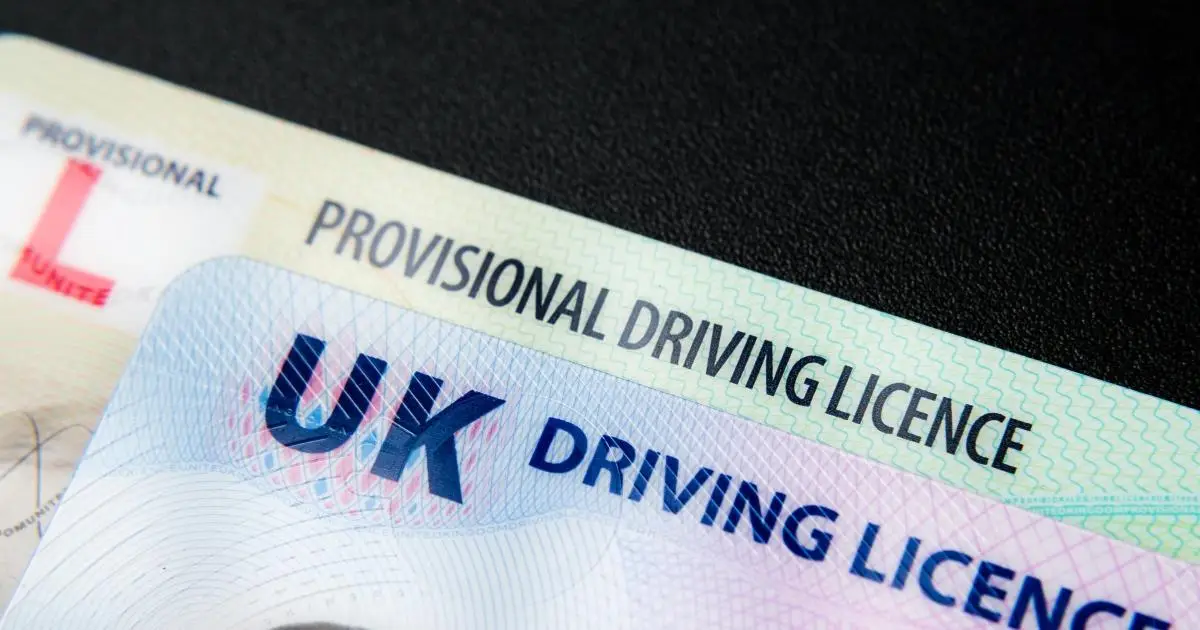
The DVLA has issued a warning to UK drivers about the growing number of driving licence and vehicle scams.
Latest figures show that in 2024, almost 20,000 customers called DVLA’s contact centre to report fraudulent activity.
Criminals are employing more complex methods to deceive motorists, making vigilance and awareness of the signs of such scams more crucial than ever.
The DVLA took to social media to warn motorists of the potential scams.
Scammers are targeting drivers with fake texts and emails pretending to be DVLA.
🔒 Think before you click
📩 Don’t share personal info
🔗 Always use https://t.co/60rBEjkomVProtect yourself with DVLA’s top tips 👉 https://t.co/P0vrbxm57N#Scams
— Driver and Vehicle Licensing Agency (@DVLAgovuk) May 23, 2026
They said: “Scammers are targeting drivers with fake texts and emails pretending to be DVLA.
“Protect yourself with DVLA’s top tips.”
Firstly, they stressed that motorists should only access the DVLA’s official information and services via the gov.uk website.
Any other websites might charge more for services that are less expensive or even free on gov.uk, and some may even be fraudulent, the DVLA stated.
They urged motorists: “always use GOV.UK when transacting with DVLA.”
The DVLA also warned against sharing driving licence or vehicle information online, as scammers often use these details to steal identities or even clone vehicles.
This can result in victims receiving penalties for parking, congestion, or speeding violations they did not commit.
The DVLA cautioned: “Both documents contain key identifying details that scammers can use to steal your identity or even clone your vehicle.”
Fraudsters are known to send unsolicited emails or text messages, asking recipients to confirm personal details, like bank or payment information.
These may sometimes propose that the recipient is eligible for a significant vehicle tax refund.
The DVLA stressed they would never ask for bank account details nor request confirmation of payment details.
Any vehicle tax refunds are issued automatically and never through an email with a link, they added.
Consequently, recipients of such emails or texts are advised not to click on any links but to report them to the National Cyber Security Centre and delete them immediately.
The DVLA further cautioned about scam websites impersonating the DVLA.
These deceptive sites often charge extra fees for services obtainable at a lower cost or free on gov.uk.
Such services include driving licence applications, vehicle tax transactions, and Clean Air Zone (CAZ) payments.
Motorists are always advised to search for these services on gov.uk.
If individuals encounter these scams or any suspicious activities, they can help combat fraud by reporting phishing emails to the National Cyber Security Centre, online scams to Report Fraud, and misleading adverts to search engines.
The DVLA stated that most of their services are accessible online on gov.uk.
People can sign up for email alerts for the latest DVLA information.
Motorists are encouraged to take these precautions to protect themselves from becoming the next victim of scams.
