
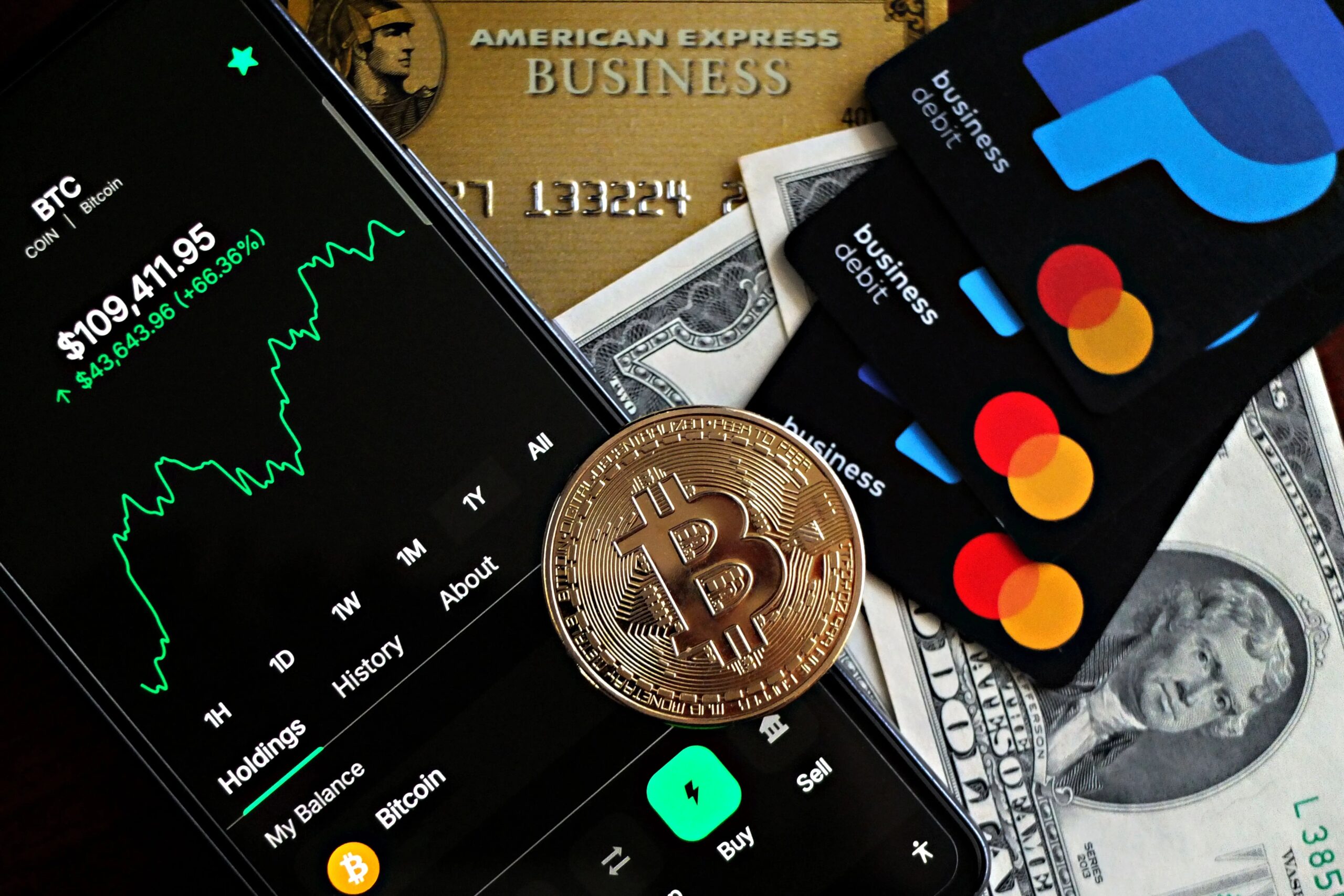
On 9 July the Financial Conduct Authority published its annual report, and the enforcement result it chose to lead with concerned social media. A coordinated week of action alongside nine international regulators produced three arrests, six criminal proceedings and more than 650 takedown requests. Britain has decided that the way crypto is talked about is a regulated activity. Korea has made no comparable move — and the consequence is visible in a place most regulators never look: the gap between what a bitcoin costs in Seoul and what it costs everywhere else.
Two ways to regulate a rumour
The British approach targets the channel. Crypto promotions must carry prescribed risk warnings in a prescribed format, incentives to invest are prohibited, and first-time buyers face a mandatory 24-hour cooling-off period. Affiliate codes and referral links count as inducements. Content must be approved in final form before publication, and liability attaches to the individual communicator, not merely the brand behind them. The FCA issued 2,329 warnings about unauthorised firms during 2025 and secured 17 criminal convictions across its enforcement portfolio.
Korea regulates something else entirely: who may enter the market and through which door. Trading requires a bank account in the user’s own name at a single designated partner institution, and foreign capital cannot cross into the won order book. Nothing in that framework governs what circulates in a KakaoTalk chat room or on a YouTube channel.
Why a closed market prices the narrative
This produces an effect with no equivalent elsewhere. In an open market, a story that excites buyers lifts the price globally; arbitrage desks immediately realign venues, so enthusiasm leaves no local signature. The narrative is absorbed by the whole market at once.
In Korea the story has nowhere to leak. Domestic demand generated by a viral thread meets a supply that cannot be replenished from outside, so the excitement registers directly in the spread against Binance and Bybit. The Korea Premium Index is, in effect, the only published instrument in global finance that measures what a story is worth in cash.
Concentration sharpens the effect. Around 91% of Korean volume originates from the top tenth of accounts, which means a narrative does not need to persuade eleven million people — it needs to persuade a few thousand. With bitcoin trading near $63,000, a gap of a couple of percent runs to roughly $1,250 a coin. That is the toll a Seoul buyer pays for entering after the story has spread.
What Britain traded away, and what it gained
The UK made a different bargain, and the second half of it matters as much as the first. Since the ban on retail access to crypto exchange traded notes was lifted on 8 October, British investors can take exposure through a regulated product classed as a restricted mass market investment, subject to appropriateness assessments, cooling-off periods and the Consumer Duty.
Enthusiasm therefore flows into instruments that settle against global liquidity. A British investor caught up in a narrative may still lose money — but never because of where they happen to live. That is precisely the risk a Korean buyer carries in addition to market risk.
Outlook
“Regulators generally assume promotion rules and market structure are separate files,” says Eleanor Whitcombe, a market conduct analyst. “Korea demonstrates they are the same file. Leave the perimeter sealed and every wave of attention converts into a price differential rather than dissipating. If Asian retail sentiment turns decisively — and the exhaustion of recent months suggests a base waiting rather than departed — a move into the 4 to 8% range would be the market simply doing what its architecture requires.”
The uncomfortable implication for Seoul is that a narrower spread cannot be achieved by policing what people say online. It requires letting outside capital answer them.
