
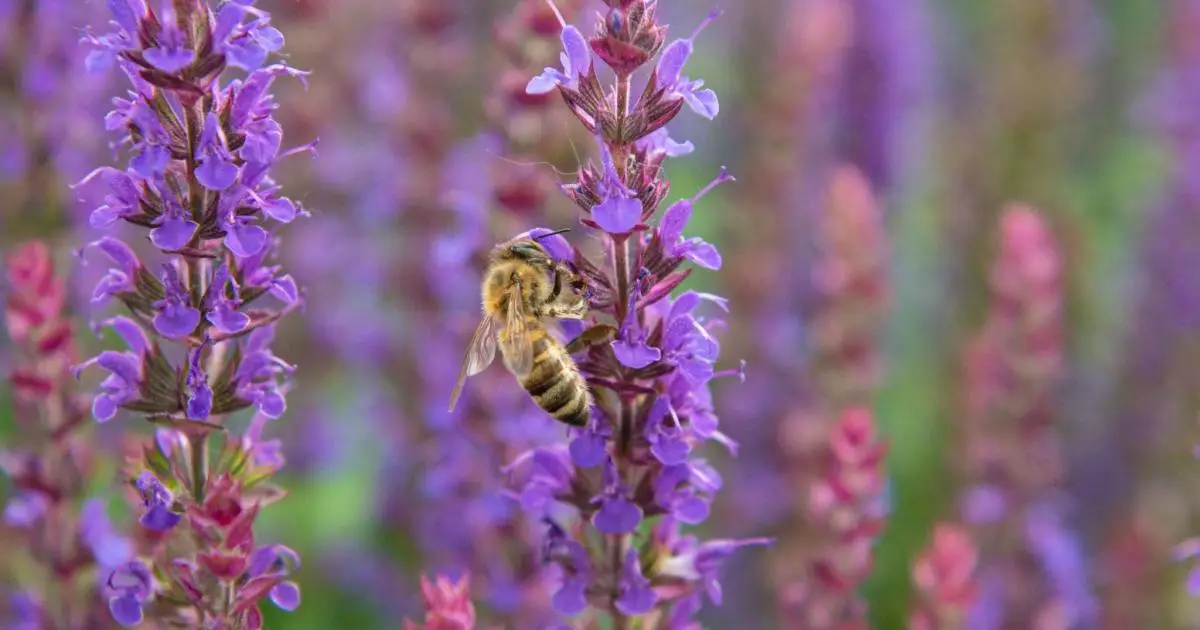
POLLINATOR plants have emerged as vibrant stars in the realm of gardening, cherished not just for their colours and aesthetics but for their vital contributions to the environment.
These plants serve as a lifeline for a variety of pollinators, including bees, butterflies and hoverflies, who play an essential role in transferring pollen from flower to flower, facilitating the reproduction of many beloved crops.
Without these creatures the abundance of foods like crisp apples, juicy strawberries and tender tomatoes would dwindle, leading to scarcity or skyrocketing prices.
The challenges posed by habitat loss, pesticide use and climate change have triggered startling declines in insect populations across Britain and beyond.
This is where pollinator plants come into play.
Bursting with nectar and pollen, these flowers and shrubs offer essential sustenance to pollinators throughout the growing season.
The beauty of this type of gardening lies in its accessibility — you don’t need sprawling acres or a professional landscaping team.
Even a simple window box filled with cosmos, marjoram or striking salvia can transform into a bustling hub for insects, supporting dozens of them every day.
Lavender stands out as a beloved champion for pollinators.
Lavender stands out as a beloved champion for pollinators (Image: Ross Dyke)
More: The cherry orchard railway that was cut down by Dr Beeching
On warm summer afternoons the deep purple flower spikes buzz with the sounds of bees, their activity almost palpable.
This hardy, drought-resistant plant not only graces gardens with its beauty and fragrance but also offers gardeners a low-maintenance option with a high ecological impact.
Similarly, verbena bonariensis, with its tall, airy stems topped by clusters of lilac flowers, lures butterflies and bees while adding a sense of movement and grace to garden borders.
Verbena bonariensis lures butterflies and bees while adding a sense of movement and grace to garden borders (Image: Ross Dyke)
Native wildflowers hold particular significance as our local pollinators have evolved alongside them, creating a symbiotic relationship.
Flowers like oxeye daisies, red clover and knapweed serve as familiar and highly valuable feeding stations for British insects.
Once abundant, wildflower meadows have seen a drastic decline over the past century, making the effort to plant these species in gardens all the more crucial.
Replacing a patch of traditional lawn with a mini wildflower meadow can lead to a remarkable increase in biodiversity in just a few months.
One common pitfall for gardeners is selecting flowers that prioritise visual appeal over ecological value.
Many highly-cultivated varieties, especially those with double blooms, can be nectar poor or even devoid of accessible pollen, resembling empty cabinets for hungry insects.
In contrast simple, open flowers, like daisies, allow pollinators easy access to their centres where the rewards truly lie.
Seasonal planning is key for supporting pollinators year-round. They need nourishment from early spring through to late autumn.
Bright crocuses and delicate hellebores provide sustenance for queen bumblebees emerging from their winter dormancy while autumn ivy flowers offer critical food sources just before winter sets in.
By cultivating a diverse range of plants that bloom in every season gardeners can establish a reliable support system for these vital creatures.
Beyond their ecological benefits pollinator plants enrich the human experience. Gardens alive with the energy of bees and butterflies evoke feelings of vitality and connection to nature.
Research increasingly suggests biodiverse green spaces can enhance mental wellbeing and foster a deeper appreciation for the natural world.
Children who grow up observing insects flitting among flowers gain an innate understanding of ecology that no classroom could ever replicate.
There’s an undeniably hopeful aspect to pollinator gardening. In a time when environmental challenges can seem overwhelming planting a few nectar-rich flowers becomes a small yet impactful act of optimism.
It’s an achievable, cost-effective way to make a difference that requires no political clout or specialised knowledge — only soil, seeds and a touch of patience.
As summer unfolds and gardens burst with colour the soothing sound of bees leisurely moving between blossoms is more than just background noise — it’s a testament to the enduring relationships within nature.
Pollinator plants remind us gardening is not merely about controlling the landscape but about harmonising with it.
Each flower planted for the sake of bees or butterflies represents a quiet declaration that beauty and biodiversity can coexist and thrive together.
The Little Garden Build Worcestershire The Little Garden Build is part of the Get Children Growing campaign, giving nurseries and primary schools in Worcestershire the chance to transform outdoor spaces into inspiring wildlife-friendly learning areas.
With the support of some amazing sponsors including St Peters Garden Centre, Smart Garden Products, Home & Roost and Mr Fothergills, schools can win everything they need to create their very own little nature corner.
Successful schools will receive a selection of gardening and wildlife products designed to encourage outdoor learning, biodiversity, and hands-on experiences for children, including: n Bug hotels for mini beasts and pollinators.
The aim is simple — to help children grow, learn and connect with the natural world right outside their classroom. Even the smallest garden corner can make a big difference.
We know many schools want to improve their outdoor spaces but often lack the budget or resources. The Little Garden Build was created to make these projects more accessible and achievable.
Whether it’s a quiet sensory area, a pollinator patch or a mini wildlife zone, we want to help schools create spaces children can enjoy for years to come.
Together we’re helping children create greener, wildlife-friendly spaces across schools and nurseries.
You don’t need to be a teacher, you could be a parent, governor or carer.
If you think you know a nursery or a primary school that wants to be involved all you need to do is apply. It’s completely free and you have nothing to lose!
To apply for The Little Garden Build visit www.theplantpod.co.uk/get-children-growing.
Our columnist Ross Dyke is a two-time award-winning professional horticulturist who works as a grower and runs the horticulture podcast The Plant Pod.
Ross Dyke is a two-time award-winning professional horticulturist (Image: Ross Dyke)
