
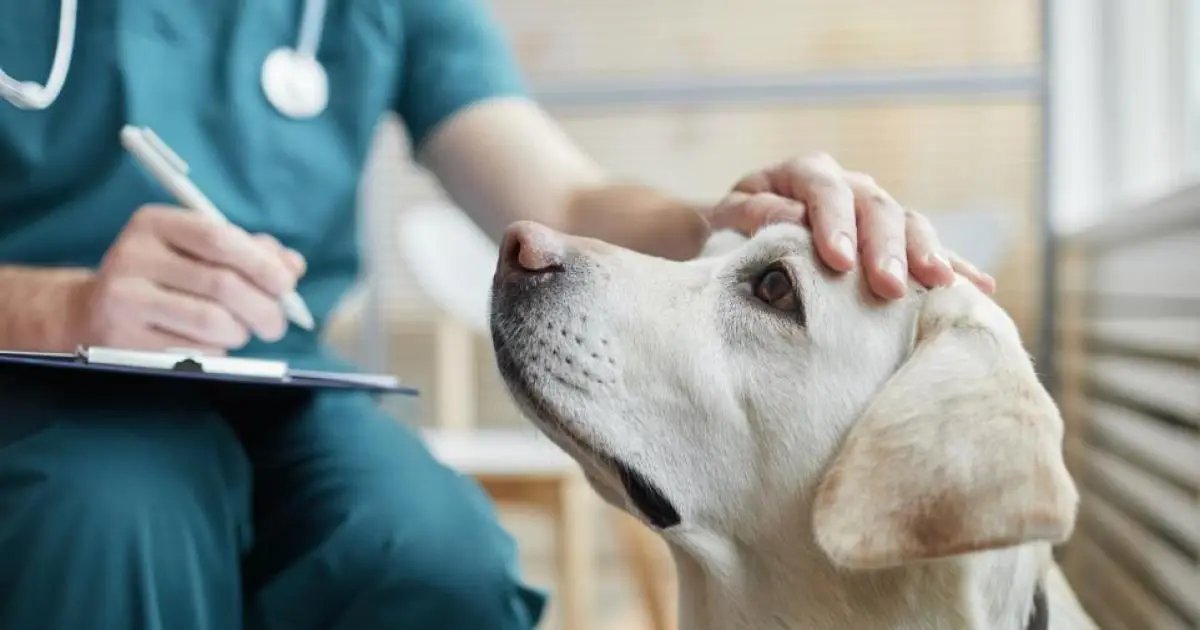
VETS are warning that a “highly contagious” virus has arrived in Worcestershire after a dog died.
The Worcester Vet Group, which runs Ambleside Vets and St Peters Vets, has confirmed it has had a case of canine parvovirus in Worcester.
Despite treatment by vets, the affected dog has since died.
The group has warned that parvovirus is a dangerous disease, which can be life-threatening, and is urging owners to check their pet’s vaccination status.
READ NEXT: Meet abandoned Collie looking for his forever home
Cases confirmed in Worcester and Malvern
“Parvovirus is a highly contagious and potentially life-threatening virus, particularly in puppies and dogs who are not fully vaccinated,” a spokesperson for Worcester Vet Group said.
“Sadly, despite our team providing intensive treatment and nursing care, the dog affected in this case has unfortunately passed away.
“We want to make sure everyone is aware so that we can help reduce the risk of further cases.
“Please check your dog’s vaccination status.
“If your dog hasn’t had their vaccinations or booster within the last 12 months, please contact The Worcester Vet Group to arrange an appointment and make sure they are protected.”
Masefield Veterinary Centre in Malvern said it had also had a confirmed case of the illness, issuing a plea for owners to be especially cautious with unvaccinated dogs and young puppies.
“We have unfortunately had a confirmed parvovirus case,” a spokesperson said.
“This is a very contagious virus and we are aware of other vets in the area also dealing with it.
“Please take every precaution with young puppies and unvaccinated dogs.
“It can be fatal and is easily transmitted from dog to dog.
“Please ensure your dogs vaccinations are all up to date.”
READ NEXT: Vets warn of ‘multiple’ deaths in equine grass sickness outbreak
What are the symptoms of parvovirus?
According to The Worcester Vet Group, symptoms of parvovirus in dogs can include vomiting, diarrhoea, bloody diarrhoea, lethargy and loss of appetite.
It said it is important that owners who spot these symptoms should contact their veterinary practice before bringing their pet in.
“If your dog develops symptoms such as vomiting, diarrhoea (especially bloody diarrhoea), lethargy or loss of appetite, please contact us before bringing them into the practice,” a spokesperson said.
“This allows us to take precautions and helps protect other patients.
“Thank you for helping us keep our patients and the wider dog community safe.”
