
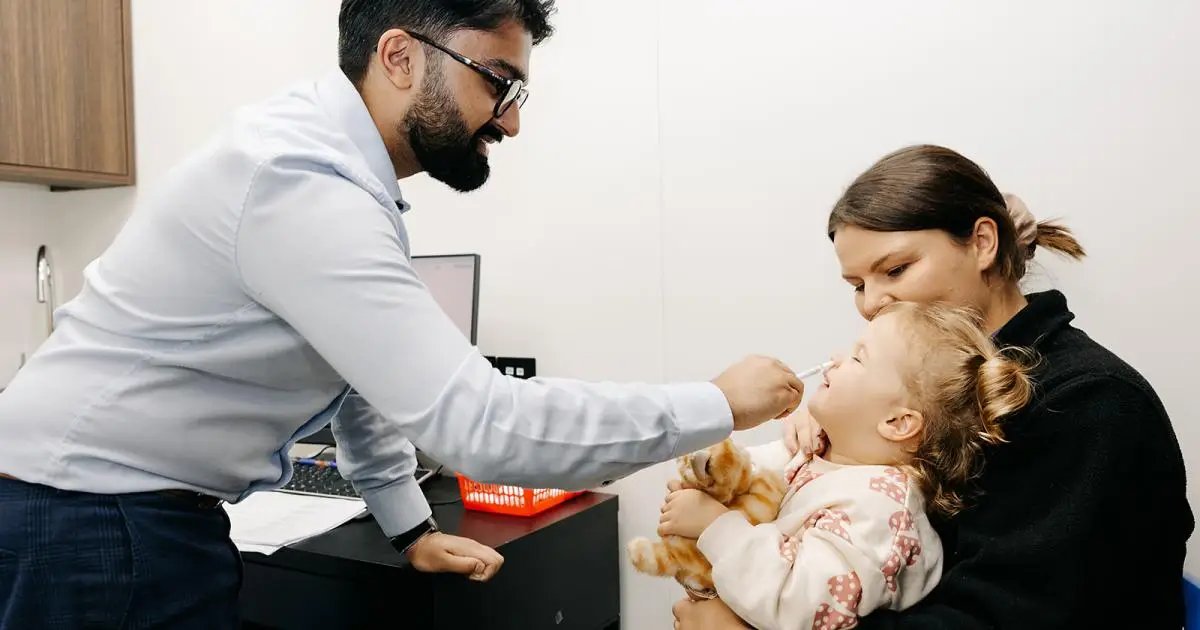
Nearly half of primary school children missed out on the flu vaccine last winter.
In the West Midlands, only 50.9 per cent of primary school pupils received the vaccine during the 2025-26 winter season, a slight increase from 49.3 per cent the previous year.
Dr James Chipwete, consultant in health protection for UKHSA in the West Midlands, said: “Younger children are at higher risk of developing complications from flu and being hospitalised.
“Ensuring they are vaccinated against flu with a painless and easy nose spray not only helps to protect them, but also stops them from spreading it into the wider community and to those who may be even more vulnerable, such as younger siblings and grandparents.
“That’s why we are so concerned that flu vaccine uptake among children in primary schools is too low, leaving thousands unprotected. It’s vital we turn this around.”
National uptake stood at 55.5 per cent, meaning around 2.5 million out of 4.5 million eligible children were vaccinated.
However, this remains below pre-pandemic levels of more than 60 per cent.
READ MORE: Parents strongly back social media ban – but doubt it will work
The nasal spray flu vaccine has been available to the youngest primary school children since 2014-15 and was extended to all primary pupils by 2019-20.
The highest recorded uptake was 62.5 per cent in 2020-21, but rates have declined since then.
UKHSA is urging parents to return consent forms promptly to ensure children don’t miss out when school immunisation teams visit.
Dr Chipwete said: “This will take a concerted effort with parents returning consent forms in good time, along with school vaccination teams and head teachers working together to deliver the vaccine programme.
“It’s important we all come together to help protect children and give them the best start to thrive in school.”
READ MORE: Free flu jabs can now be booked on the NHS website and app
Children aged two and three, who are not yet in school but are eligible for the vaccine, can receive it through their GP.
Vaccination in November will still offer protection ahead of the typical flu season, which peaks in December and January.
Flu can lead to serious complications such as bronchitis and pneumonia, and vaccination helps reduce school absences and the spread of illness to vulnerable family members.
