
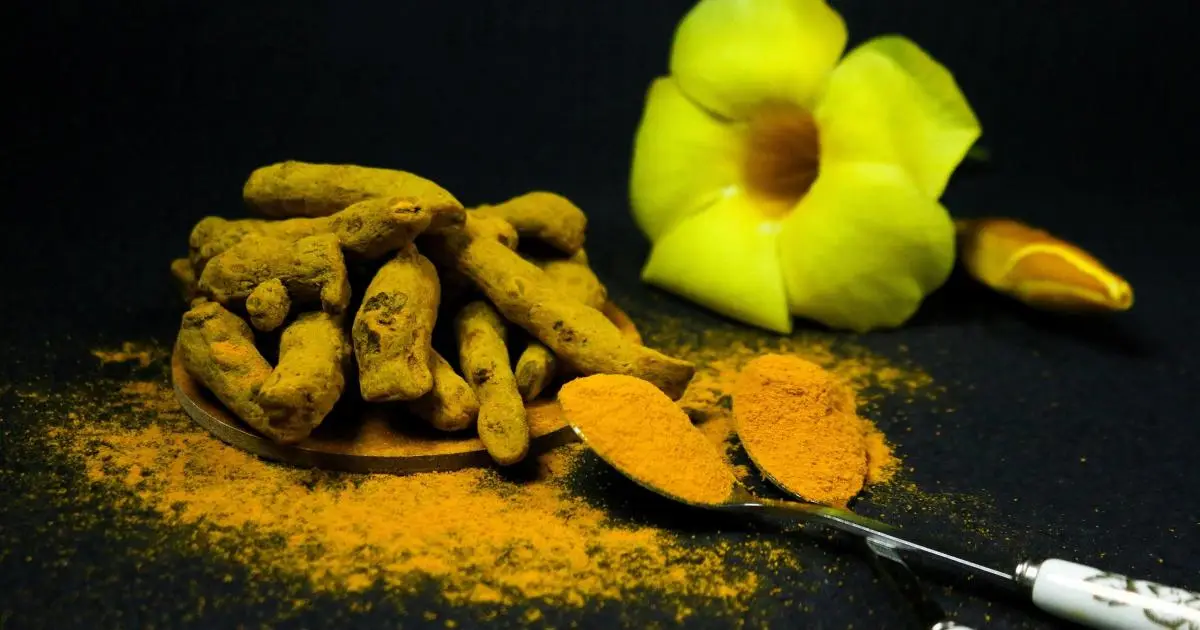
IN kitchens across the world a vibrant yellow spice has long been valued not just for its flavour but for its remarkable impact on health.
Turmeric, a staple in South Asian cooking, is now enjoying global attention as both a culinary ingredient and a natural remedy.
But beyond the trend lies a growing body of evidence suggesting this ancient spice may offer real, measurable health benefits.
More: All your photos celebrating National Pet Day
More: 5 eye-catching Worcestershire country homes you can buy now
More: 15 photos from this old Worcester High Street shopping favourite
Leading on from this I’m increasingly consulting with patients seeking advice on the health benefits of turmeric.
Accordingly, I’d like to reach out to all within our community to empower you with advice on how turmeric can improve your health.
At the heart of turmeric’s power is curcumin, its primary active compound.
Known for its potent anti-inflammatory and antioxidant properties, curcumin has been the subject of extensive research.
Chronic inflammation is increasingly linked to a range of modern illnesses from heart disease to certain cancers.
By helping to regulate the body’s inflammatory response turmeric may play a role in reducing long-term health risks.
Turmeric’s antioxidant capabilities are equally compelling.
Antioxidants help neutralise free radicals — unstable molecules that can damage cells and accelerate ageing.
In this way turmeric may contribute not only to disease prevention but also to overall cellular health.
Emerging studies also point to turmeric’s potential benefits for brain function.
Curcumin appears to boost levels of brain-derived neurotrophic factor (BDNF), a protein essential for learning that is associated with improved memory and a lower risk of depression and neurodegenerative diseases such as Alzheimer’s dementia.
Leading on from this a study in 2018 found adults taking curcumin twice daily for 18 months experienced improvements in memory and attention — a promising sign for long-term brain health.
While more research is needed, early findings suggest turmeric could support cognitive health as we age.
Turmeric’s antioxidant and anti-inflammatory properties may also support cardiovascular health.
Some research suggests curcumin could help protect against heart disease by reducing inflammation and oxidative stress though more human studies are needed to confirm these effects.
For those managing joint pain or conditions such as arthritis, turmeric may offer relief.
Its anti-inflammatory effects can help reduce swelling and discomfort, making it a popular natural alternative or complement to conventional treatments.
Turmeric has been used for centuries in Ayurvedic and traditional Chinese medicine to treat infections and respiratory issues.
Modern studies indicate curcumin may have antimicrobial, antiviral and even anticancer properties — though these findings remain early and should be interpreted cautiously.
That said, turmeric is not a miracle cure. Its absorption in the body is relatively low unless combined with black pepper which contains piperine — a natural substance that enhances curcumin uptake.
And, like any supplement, excessive consumption can have side-effects or interact with medications.
Incorporating turmeric into your diet doesn’t require drastic changes.
It can be added to soups, stews, rice dishes or even warm drinks like the increasingly popular ‘golden milk’.
Because curcumin is fat-soluble, pairing turmeric with healthy fats, such as olive oil or coconut milk, can improve absorption.
The key is consistency and moderation.
As interest in natural health solutions continues to grow, turmeric stands out as a spice that bridges tradition and modern science.
While it won’t replace a balanced diet or medical care, it offers a simple, flavourful way to support overall wellbeing — one golden spoonful at a time.
Our columnist Dr Jason Seewoodhary is a former Worcester GP.
