
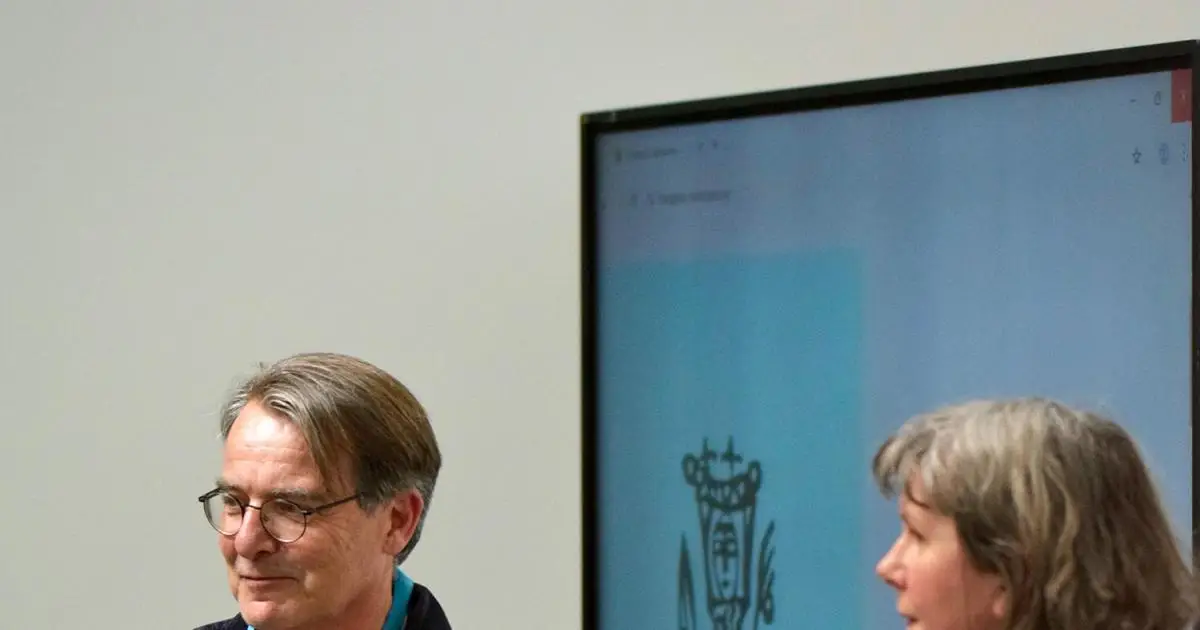
The power of folklore, art and tradition took centre stage at a recent symposium in Worcester.
Therapeutic Landscapes II, a two-day sold-out event hosted by the University of Worcester, drew more than 130 attendees from across the UK and beyond to explore the role of creative health in improving wellbeing.
Creative health is the use of activities such as art, music, storytelling and performance to support people’s physical, mental and social wellbeing.
This year’s symposium focused on the connections between folklore and creative health.
Dr John Cussans, senior lecturer in fine art and leader of the university’s Arts and Health Research Group, said: “The Therapeutic Landscapes symposium brings together practitioners, artists and researchers to explore how creative practice and ideas of health and wellbeing can intersect in meaningful ways.”
He added that the event has evolved significantly since its inception.
“What began as a conversation has grown into an annual symposium and research network, creating a space for people to share work, ideas and experiences around creative health.”
The symposium featured panel discussions, shared research, creative practice and discussion, and networking opportunities, all centred on exploring wellbeing through culture, landscape and community.
Desdemona McCannon, principal lecturer in illustration and co-organiser of the event, said folklore has an important role to play in creative health.
She said: “Central to this symposium is examining how folklore and folk culture can inform creative health practices, from ritual and storytelling to embodied, place-based experiences.
“Folklore brings in those quieter, often overlooked ways of knowing.
“Stories, rituals and traditions that are rooted in place often open up new ways of thinking about what it means to feel well.
“The landscapes and folk traditions of this region really shape how we think, they offer such a rich starting point for thinking about place, belonging and wellbeing.”
For more information and to listen to the Therapeutic Landscapes Podcast, visit the project website.
