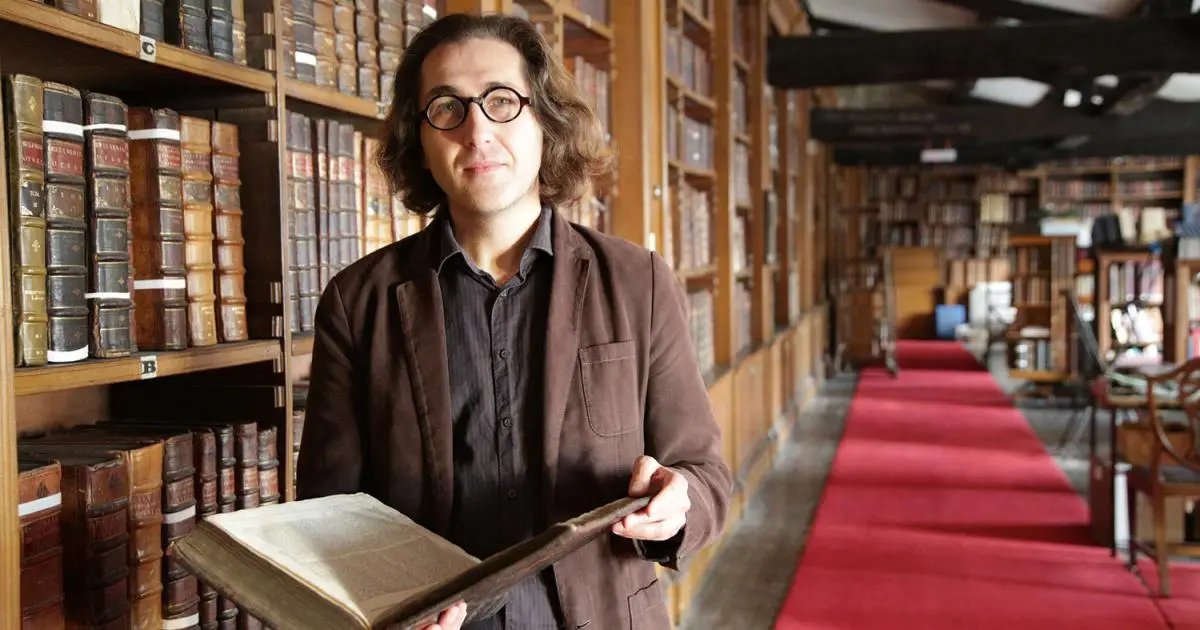
On the eve of Halloween, people can delve into the dark legends and demonic folklore that gave rise to literature’s most iconic vampire at a special talk.
Professor Darren Oldridge, early modern history expert at the University of Worcester, will deliver a free public lecture at The Hive on October 30, from 6.30pm to 8pm, exploring the dark roots of Bram Stoker’s Dracula.
The talk, titled Dracula and the Devil, will examine the demonic folklore and superstitions that helped shape Stoker’s iconic vampire.
Professor Oldridge said: “In Count Dracula, Bram Stoker created an enduringly popular and thoroughly diabolical monster.
“Among the many reasons why people enjoy Dracula and why it’s endured so well is this diabolical aspect.”
He will explore how Stoker’s vampire draws on centuries-old beliefs about the Devil, the reanimated dead, and Eastern European superstitions.
He said: “Stoker explicitly relates Dracula to the Devil in several places.
“He is also drawing on core texts on both vampires and also East European superstitions that were available in print in the later half of the 19th century.”
He points to Emily Gerard’s 1885 text Transylvanian Superstitions as a key influence, noting how Stoker was inspired by a “Devil-soaked, superstitious culture.”
Professor Oldridge, who specialises in witchcraft, the Devil, and the supernatural in 16th and 17th century religious history, also contrasted Dracula with other gothic monsters of the time.
He said: “The monsters created in the 19th century or early 20th century are plentiful and enduring.
“Almost all of them belong in some way to what we might think of as the world of science.
“The big exception is Dracula, because Dracula is retreating to something much older.
“And the character is demonic.
“Dracula is explicitly diabolical in a way that most other great Victorian monsters aren’t.”
Tickets are free but booking is essential.