
A rise in measles cases has been confirmed in Worcestershire as people are urged to get vaccinated against the disease which ‘can be fatal’.
Twenty-two cases have now been recorded in the county this year, with the majority affecting adults, according to new data published by the UK Health Security Agency (UKHSA).
These figures cover the period between January and June 8. There have been 16 cases between May 11 and June 8.
The West Midlands region has accounted for 18 per cent (136 out of 736) of all confirmed cases in England so far in 2026, with 16 cases reported in Worcestershire alone during the four-week period from May 11 to June 8.
Emma Booth, consultant in health protection at UKHSA West Midlands, said: “Measles continues to circulate in the West Midlands region, as in many parts of the country, and as we have seen, it can be very serious and even fatal.
Changes to hospital visiting as multiple measles cases include staff infections
“While many cases are in school-aged children, we are now seeing a significant number of adults catching measles in the West Midlands, especially in the Worcestershire area.
“That’s why we want to remind people that measles doesn’t just affect children – anyone unvaccinated is at risk.
“We’re urging anyone who hasn’t had two doses of the MMR vaccine to get vaccinated as soon as possible.”
READ MORE: Measles ‘higher than expected’ – symptoms to look out for
UKHSA said cases began rising earlier this year, with outbreaks centred in London and the West Midlands.
Most infections have been among unvaccinated children aged 10 and under. However, a steep rise in adult cases has been recorded in Worcestershire since May.
Nationally, 736 measles cases were confirmed in England between January 1 and June 8, compared to 959 in the whole of 2025.
UKHSA also confirmed that two children have died from measles so far this year.
Ms Booth said: “Measles can spread quickly in unvaccinated communities, and can cause serious complications, especially in young children, pregnant women and those with weakened immune systems.
“The MMR vaccine is the best way to protect families from measles, mumps and rubella.
“It’s safe, free of charge and can be given at any age.”
She encouraged people to check their vaccination status and contact their GP surgery if they are unsure or need to book missed doses.
For those who avoid pork products, a version of the MMR vaccine called Priorix, which contains no pork ingredients, is available on request from GPs.
The first symptoms of measles include a high temperature, runny or blocked nose, sneezing, cough, and red, sore, watery eyes.
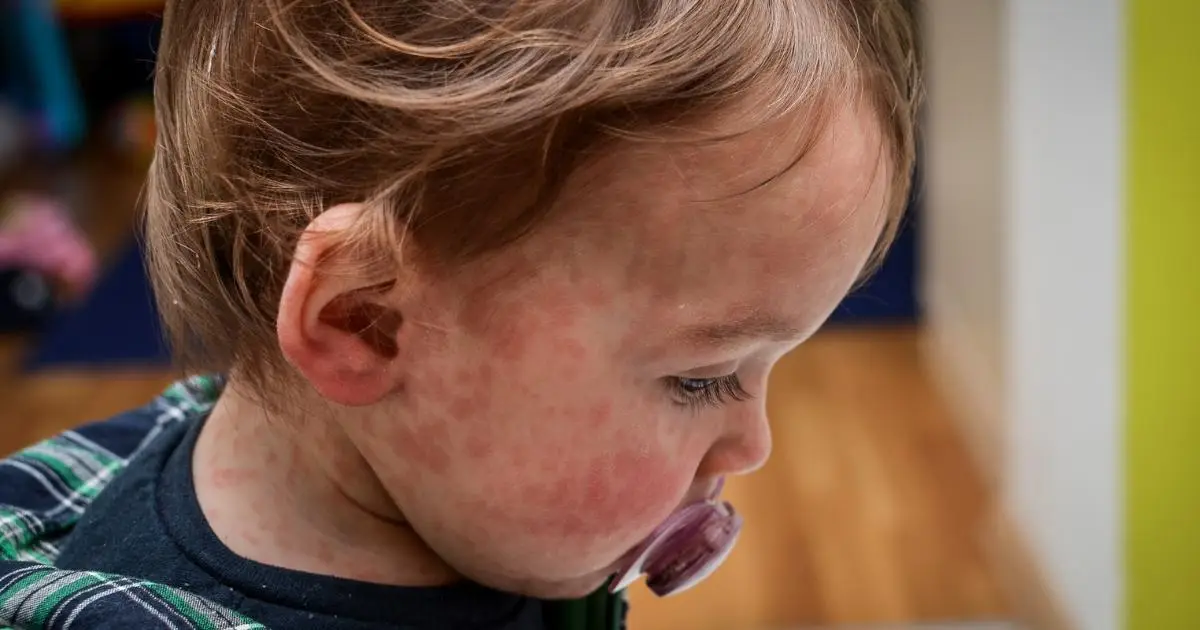
A rash typically appears a few days after these cold-like symptoms, often starting around the ears before spreading to the rest of the body.
Anyone who suspects they have measles should contact NHS 111 or phone their GP surgery.
If a face-to-face visit is necessary, individuals are advised to call ahead to avoid exposing others to the virus.
Those diagnosed with measles should stay away from nursery, school, university, work or other group activities until at least four days after the rash appears, as they remain infectious during this period.
A new combined MMRV vaccine, which also protects against chickenpox, was introduced in January 2026.
People at greatest risk include young children, pregnant women, and those with weakened immune systems.
Vaccination remains the most effective way to prevent infection and reduce the risk of outbreaks.
