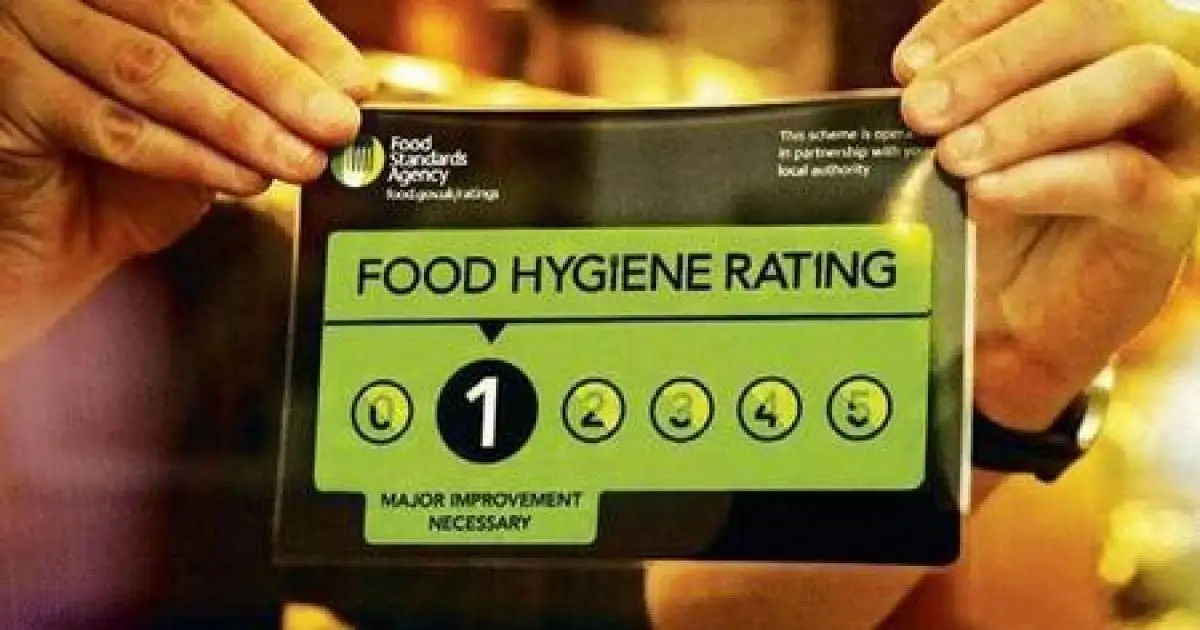
The five main reasons businesses receive low food safety ratings have been revealed.
Poor hygiene, training and pest control are among the most common reasons businesses such as restaurants, cafes and pubs are given low scores by inspectors.
Food safety teams have flagged ongoing concerns in commercial kitchens, with neglected cleaning and poorly trained staff also contributing to below-standard scores.
NURSERY: Blue Giraffe Nursery in Droitwich was given a one-star rating by inspectors in January (Image: Google Maps)
The findings come from Worcestershire Regulatory Services, which completed 3,542 food safety interventions during the year on behalf of Bromsgrove, Redditch, Wychavon, Malvern Hills, Worcester, and Wyre Forest councils.
More than 90 per cent of the businesses inspected were rated Level 4 or 5 under the Food Hygiene Rating Scheme (FHRS), meaning they exceeded legal requirements.
Just 66 businesses scored Level 0 to 2, the lowest ratings, yet this represents a small but rising trend.
Worcestershire Regulatory Services identified “failure to have a documented system, poor cleaning, lack of hot water, lack of training and inadequate pest control” as key reasons for low ratings.
They highlighted continued work with trading standards teams, particularly on allergen management, which remains a challenging area for some businesses.
Food safety officers also handled complex investigations, including incidents of illegally imported or contaminated food.
This included a large shipment of raw frozen octopus and several banned African food imports.
Worcestershire is home to the UK’s largest importer of chicken and chicken products, which led to several product recalls and multi-agency investigations spanning multiple countries.
There were three salmonella incidents with raw chicken and processed chicken products for Aldi imported from Poland by Westbridge Foods.
Thousands of NHS patients treated in hospital corridors, new data shows
Hundreds of violent crimes are going unpunished in Worcester
Concerns anaerobic digester plans could impact police forensic operations
This prompted coordinated action with the Food Standards Agency and local authorities in affected areas.
Officers also supported other businesses during emergencies, including an avian flu investigation at Goodman’s Geese in Malvern Hills, and helped a Bromsgrove-based firm strengthen its process for managing distressed food consignments.
Worcestershire Regulatory Services has seen a steady increase in general enquiries about starting new food businesses.
Registration rates remain high, with around 60 new businesses signing up each month.
Despite the high levels of compliance, officers continue to “find poor premises where more formal action is required” and note that “compliance continues to be an issue, especially in smaller businesses in the ethnic sectors”.