
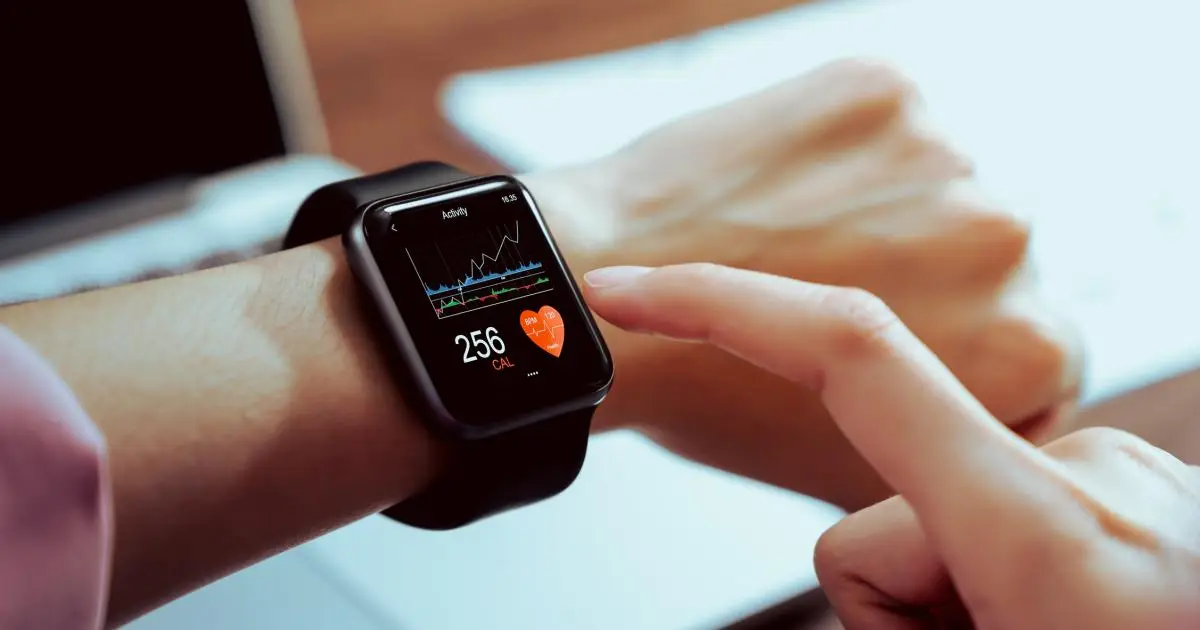
A health expert has urged all smartwatch users not to ignore these three alerts, as they could indicate a serious health issue.
Smartwatches are popular because they bundle health tracking, connectivity and convenience into something you already wear every day.
As the weather starts to get warmer and lighter, you can bet your bottom dollar scores of Brits will soon start littering the streets, donning a smartwatch of some kind.
But you need to know how to use it.
According to a YouGov poll, 35% of Brits use a wearable device which can be used to track fitness goals and monitor their health.
But it can be difficult to know what features to pay attention to.
Dr Shireen Emad, GP and medical consultant for Watches2U, has revealed the three alerts that you shouldn’t dismiss.
Heart rate
One of the most common smartwatch functions is heart rate monitoring, typically used during exercise.
But this feature could also potentially prevent cardiac events such as strokes and atrial fibrillation.
Dr Shireen said: “Smart devices can pick up your heart rate, and if the rhythm becomes irregular, you’ll get an alert for that.
“That can be really useful, especially when you’re looking at what someone’s baseline is.”
She added: “When there’s a sudden change, it’s detected. Highlighting issues with the heart early means we can take action quickly.
“For example, if it picks up things like atrial fibrillation, which is where your heart rhythm is irregular, your doctor can then put you on blood thinners, which helps reduce your risk of a stroke or heart attack.”
Stress indicators
Smartwatches can also tell when you’re stressed, sometimes even before you can, due to how the body physically reacts to certain factors.
Dr Shireen said: “Sometimes we’re under so much stress that we don’t even realise it until it’s too late.
“So if your watch is picking up that your body is under strain, it can act as a warning sign and prompt you to reflect on what’s going on in your life.”
You can also look to see if there are patterns for when your smartwatch signals stress, such as work or social interactions, and find ways to better adjust your lifestyle.
Change in calories burned
Calorie counting is a common reason people purchase smartwatches, as it allows them to better understand the impact their workouts are having.
But this feature isn’t just useful for your fitness goals, as it could signal a greater health issue.
“Your watch will likely track your daily calories burnt, using your basal metabolic rate as well as any exercise you do that day,” said Dr Shireen.
“If on average you burn around 1,500 to 1,800 calories a day, and then suddenly it drops to 1,000 or jumps to 2,500, you would question why.
Early birds and night owls issued heart risk warning after study assessed hundreds
Hundreds of flights cancelled as major airline that operates in the UK goes on strike
Coronation Street legend hits out at ITV viewers over ‘ageist’ treatment and comments
“If you do notice an unexpected and substantial shift in the amount of calories you burn on average, speak to a medical professional, as it will likely prompt them to investigate causes such as thyroid function.”
Remember the limitations
Dr Shireen cautions that smartwatches aren’t always good at specifics and are instead better at pattern recognition.
She said: “If you have any concerns, always speak to a doctor, but if you’re someone who is prone to anxiety or over-monitoring it may lead to over-interpretation and unnecessary anxiety.”
Do you have a smartwatch? Let us know in the comments
