
HIGH LEVELS of violence and unhygienic conditions remain at a Worcestershire prison which houses some of the most dangerous criminals- but progress is being made.
Prison inspectors say clear progress is being made at Long Lartin Prison in South Littleton following an inspection between February 15 and March 5 2026.
Over the last two years, staff at HMP Long Lartin have been successful at reducing the supply of drugs into the prison which was praised by inspectors.
READ MORE: UK private school pupils celebrate term of sporting success
During the inspection, there was evidence of greater stability in the prison.
However, the report noted that staff morale was low and there was a shortage of experienced staff.
Staff-prisoner relationships had been weakened by a stabbing in 2025.
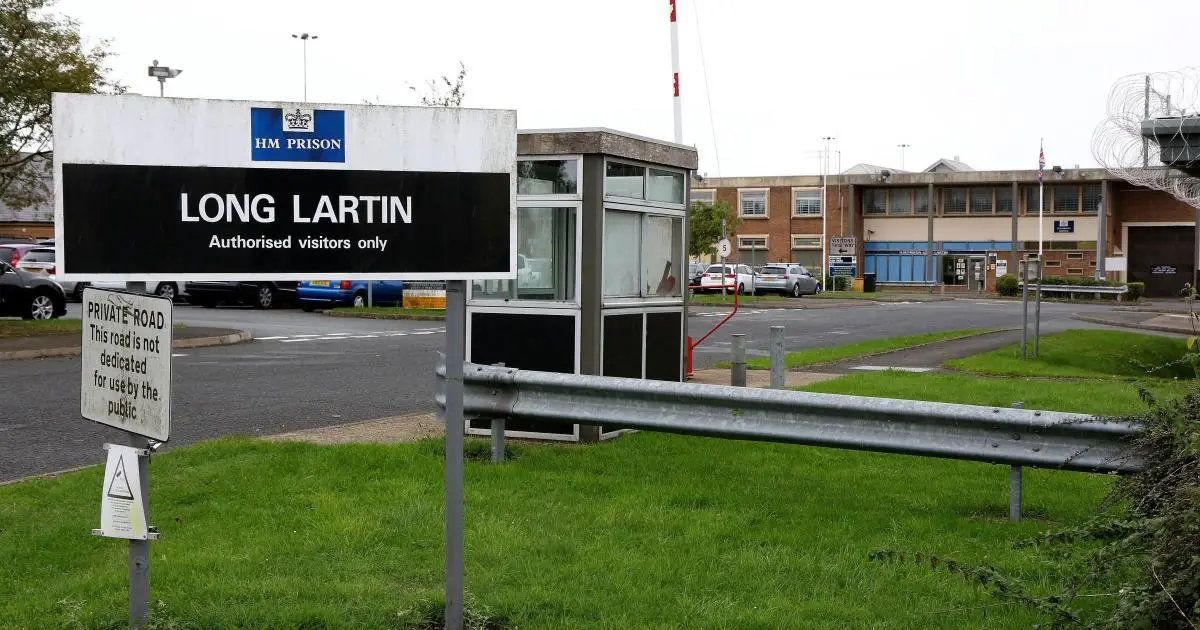
Inspectors were concerned about unhygienic conditions at HMP Long Lartin. (Image: PA Media)
The report continued to raise concerns about safety in HMP Long Lartin, with too many prisoners saying they felt unsafe and violence higher than at other category A prisons.
Since the last inspection, there were four ‘self-inflicted deaths’ among inmates and levels of self-harm remained high, with those in crisis receiving ‘inadequate support’.
READ MORE: WHOOPS! Worcester spelling error on new M5 motorway sign leaves drivers baffled
HMP Long Lartin was last inspected in 2024 and was rated poorly in three of the four ‘outcomes for prisoners’. These have not changed.
Prison Inspectors raised 15 concerns, including 5 priority concerns including:
Of the 15 concerns raised in 2024, five had not been addressed by 2026.
These include levels of violence, the night sanitation system leading to unhygienic conditions, poor quality of food, inmates not being taken to mental health hospitals in a timely manner, and prisoners’ attendance at work activities.
At the time of inspection, there were 537 inmates inside HMP Long Lartin, including 63 foreign nationals, with 79 per cent of prisoners coming from black and ethnic minority backgrounds.
